





Article list
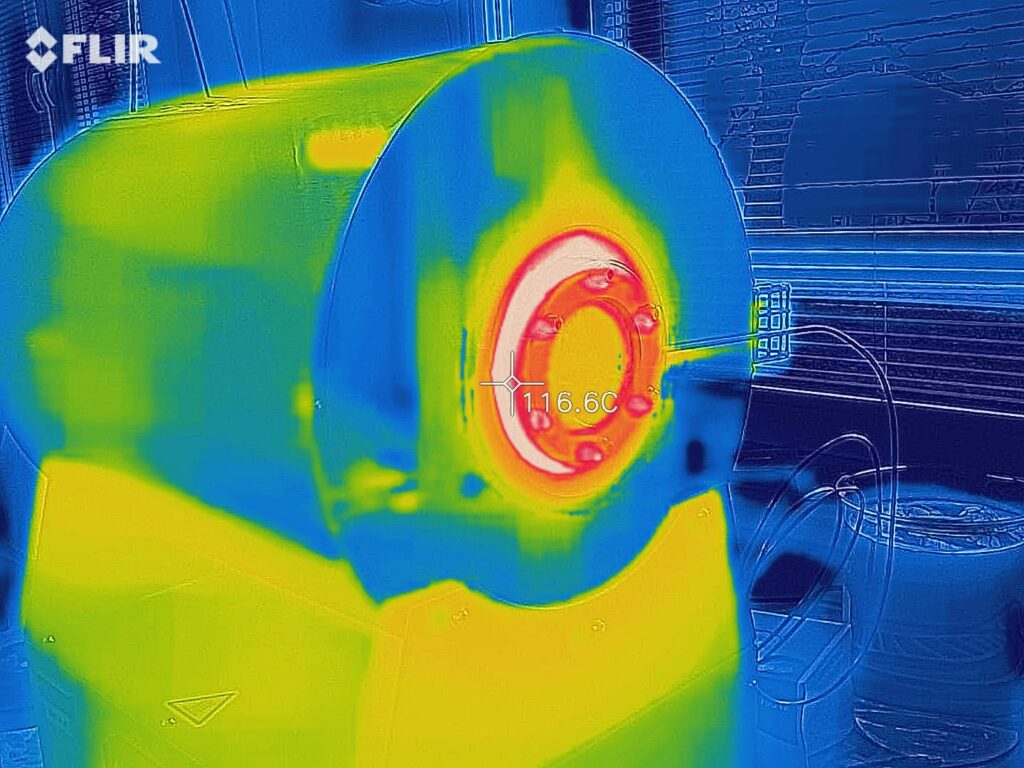
In infrared images, hot objects usually radiate brighter than cooler. But the newly designed protective layer breaks the rule that hot equals brighter. At certain wavelengths of infrared light, the brightness of the material does not change even when heated. A report on this discovery was published on December 17 in the proceedings of the…
Materials such as oxide layers represent a modern trend in the development of superconducting structures. Current areas of research include the study of oxide layers, either directly dielectric layers or metal oxide layers, where great attention is paid to the preparation and properties of layers and structures with a perovskite structure. For the realization of…
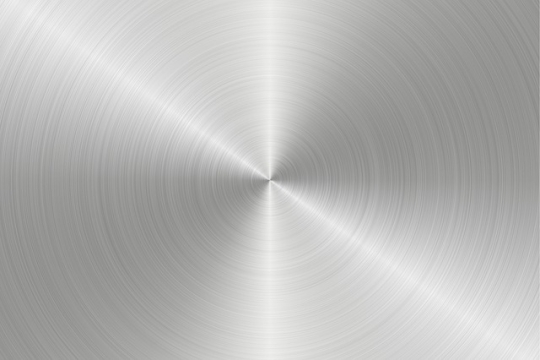
Physicist Joel Therrien of the University of Massachusetts in Lowell introduced a new form of carbon called “U-carbon” at the International Symposium on Clusters and Nanomaterials in Virginia, USA. This material should be characterized by a high hardness (greater than stainless steel) and conductivity and reflectivity comparable to those of a polished aluminum mirror. Perhaps…

Semiconductors are materials that, from the point of view of electrical conductivity, are between electrically conductive and non-conductive materials. Scientists’ interest in semiconductors increased considerably after the first transistor was created in 1957. “Today, it is clear to everyone that without semiconductors and complex integrated circuits prepared from them, there would be no modern…
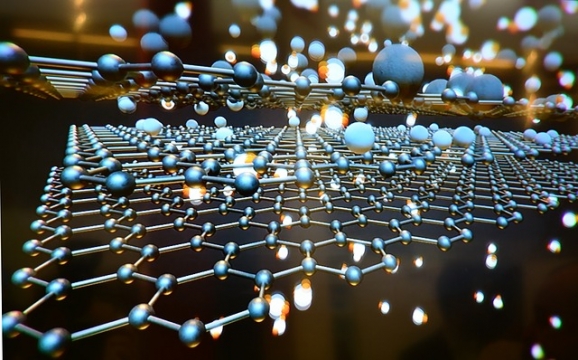
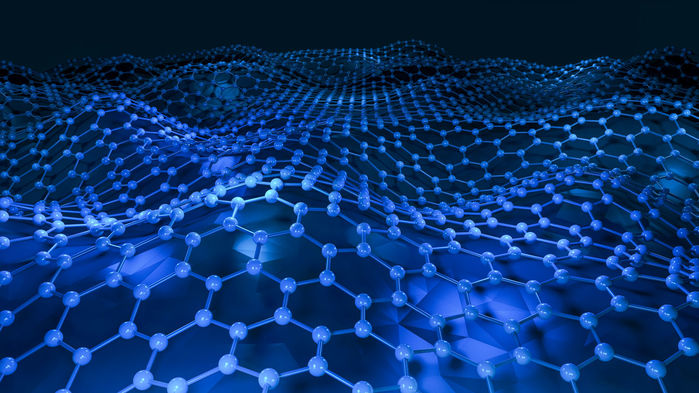
Carbon is the most widespread element in nature and is part of thousands of chemical compounds. Depending on the type of chemical bond, pure carbon is present in several modifications – such as diamond, graphite, fullerene or graphene. Graphite is the most common form of carbon. The carbon atoms bind to each other into hexagons,…
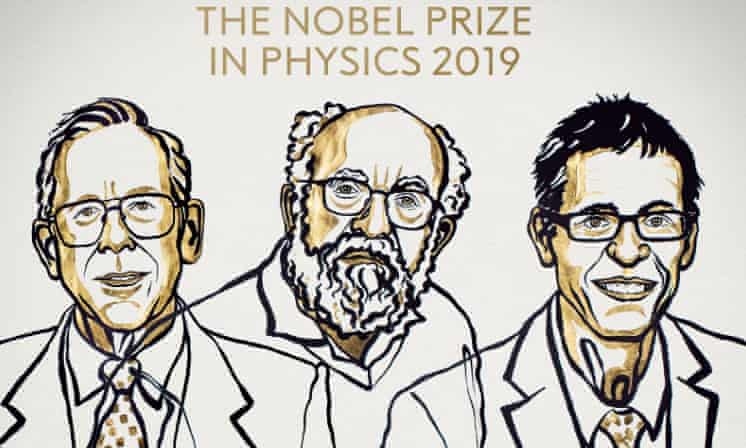
The cosmologist James Peebles split the prize with two astronomers, Michel Mayor and Didier Queloz, for work the Nobel judges said: “transformed our ideas about the cosmos.” This year’s Nobel Prize in Physics went to an astrophysicist who came up with sweeping ideas to explain how matter in the young universe swirled into galaxies, and…
Group ECI (Early Career Investigator) invites to the Workshopu “3rd ECI workshop: Science communication and mapping a future road for ECIs”, which will be held in IEE SAS, from 8th to 9th November 2018. Quests are welcome to attend the Workshop on November 8th, in limited number of 25, in room 101 from 10:00 till 18:00. Group…
The course Selected chapters from statistical physics and solid-state physics will take place at the IEE SAS in the period Oct. 11 – Oct. 26, each working day at time 8,30 – 12,00 in room 101
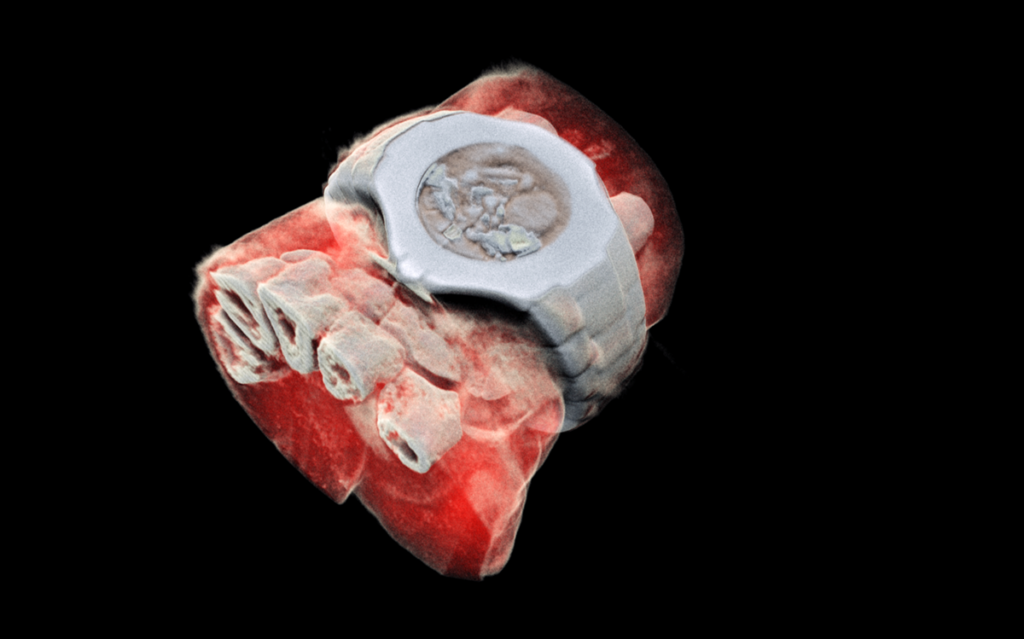
What if, instead of a black and white X-ray picture, a doctor of a cancer patient had access to colour images identifying the tissues being scanned? This colour X-ray imaging technique could produce clearer and more accurate pictures and help doctors give their patients more accurate diagnoses. By Romain Muller More: https://home.cern/about/updates/2018/07/first-3d-colour-x-ray-human-using-cern-technology
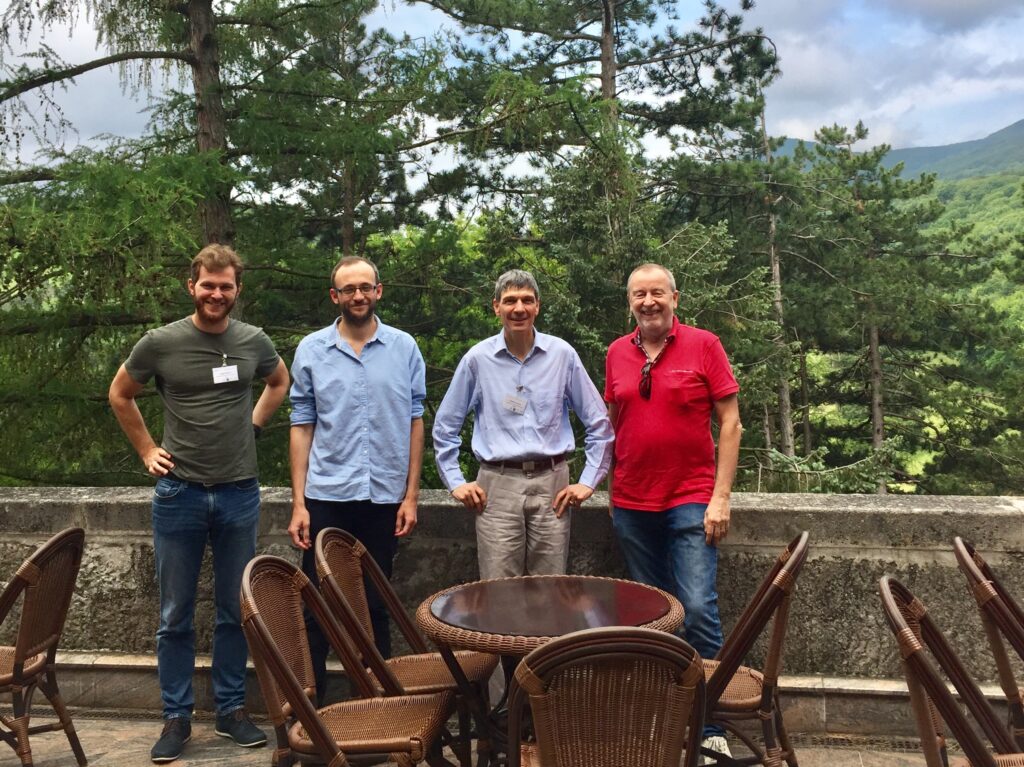
The goal of the workshop was to start an intensive scientific collaboration between Slovakia and France in various topics. Slovak Academy of Sciences and The French National Center for Scientific Research (Centre national de la recherche scientifique, CNRS) have participated as two sides in this meeting. Besides others, members of magnetic group from the Physics…