






Article list
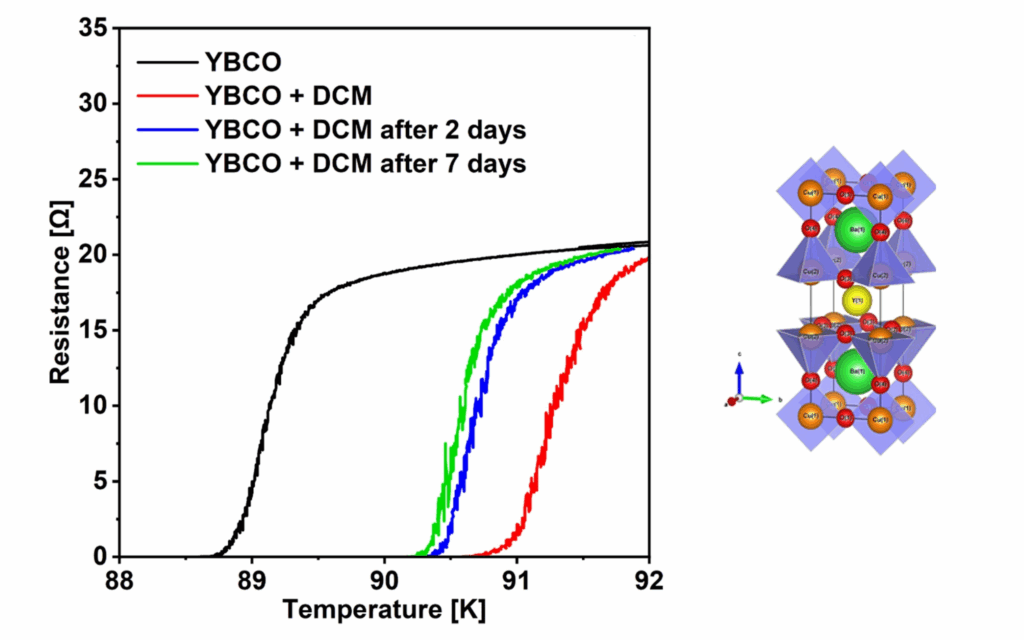
High-temperature superconductors represent a unique class of materials capable of conducting electric current without resistance at significantly higher temperatures compared to conventional superconductors – often even at the temperature of liquid nitrogen (77 K). These materials have a wide range of applications in modern technologies, from lossless power transmission to magnetic levitation and quantum computing….
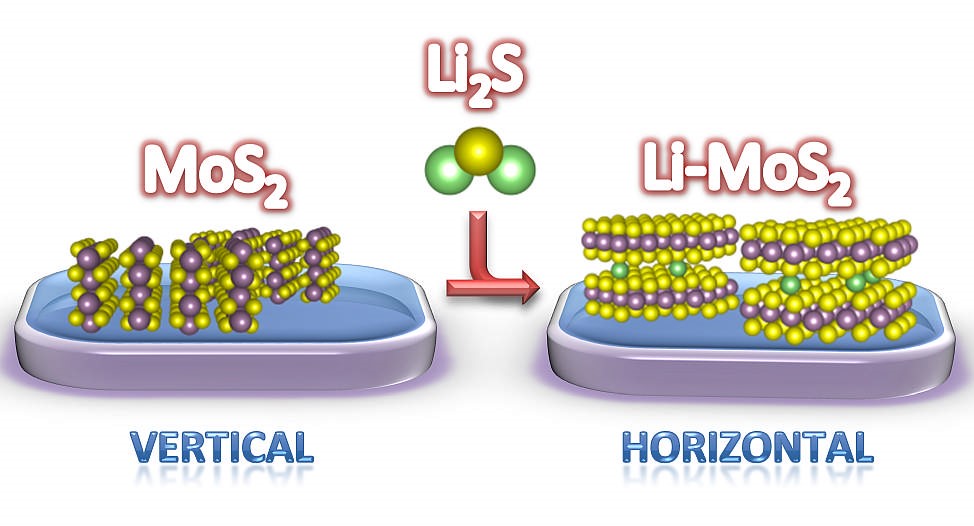
Molybdenum disulfide (MoS2) is a layered material which can be prepared in the form of monolayer or few-layer films. It is extensively studied due to its intriguing properties and wide range of possible applications. The layered materials have the ability to intercalate atoms and cations into their van der Waals gaps. The intercalation is one…
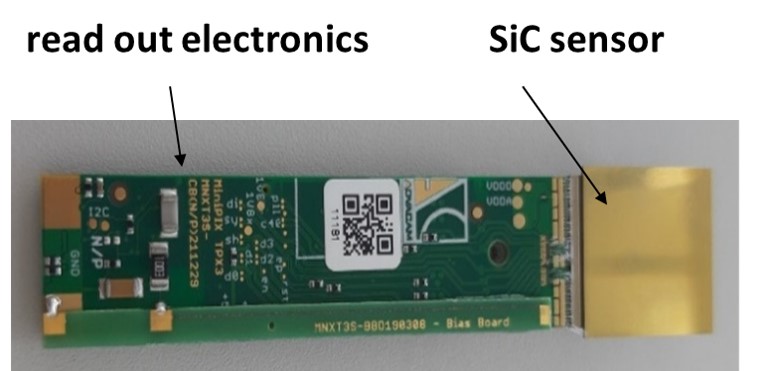
Silicon carbide (chemical name silicon carbide, SiC) is a promising semiconductor material suitable for use as an ionizing radiation detector. It is highly radiation resistant and also chemically and thermally stable. Due to their advantageous properties, SiC-based sensors are mainly applicable in environments with high temperature and also ionizing radiation intensity. We prepared pixel sensors…
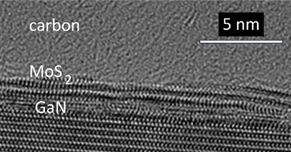
Two-dimensional (2D) molybdenum disulfide (MoS2) has attracted widespread attention due to its unique electronic, mechanical and optical properties. It is a material composed of several atomic layers of MoS2 held together by van der Waals forces. Our colleagues from the Department of Microelectronics and Sensors have prepared high-quality 2-5 monolayer thick MoS₂ layers on sapphire…
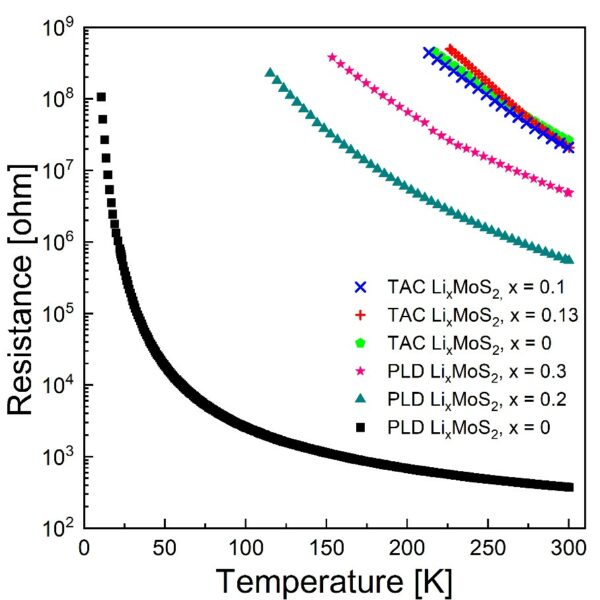
Molybdenum disulfide (MoS2) is a frequently studied material due to its layered structure, exceptional properties, and applicability in electronics, optoelectronics, and lithium batteries. In our research, we have shown how the addition of lithium affects the properties of ultrathin MoS2. The layered structure of MoS2 allows the intercalation of foreign atoms into the van der…
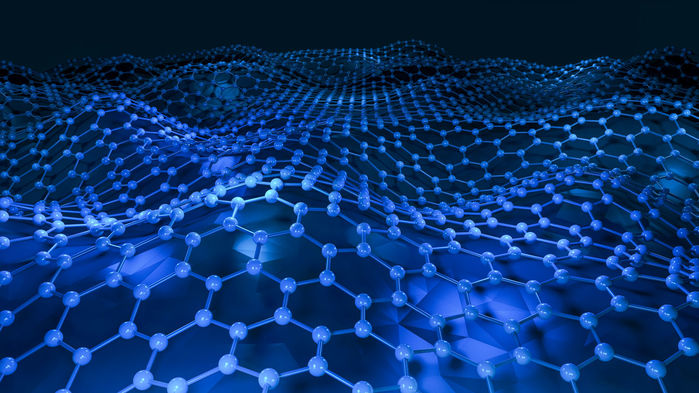
Physicist Joel Therrien of the University of Massachusetts in Lowell introduced a new form of carbon called “U-carbon” at the International Symposium on Clusters and Nanomaterials in Virginia, USA. This material should be characterized by a high hardness (greater than stainless steel) and conductivity and reflectivity comparable to those of a polished aluminum mirror. Perhaps…
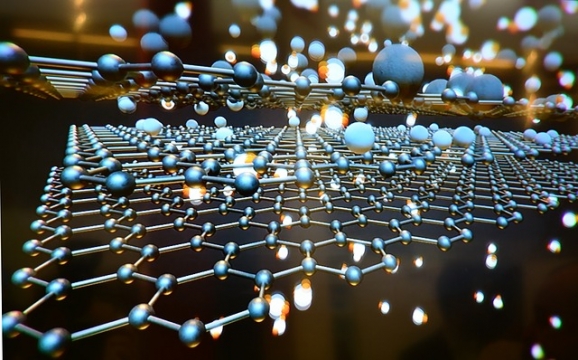
Carbon is the most widespread element in nature and is part of thousands of chemical compounds. Depending on the type of chemical bond, pure carbon is present in several modifications – such as diamond, graphite, fullerene or graphene. Graphite is the most common form of carbon. The carbon atoms bind to each other into hexagons,…